
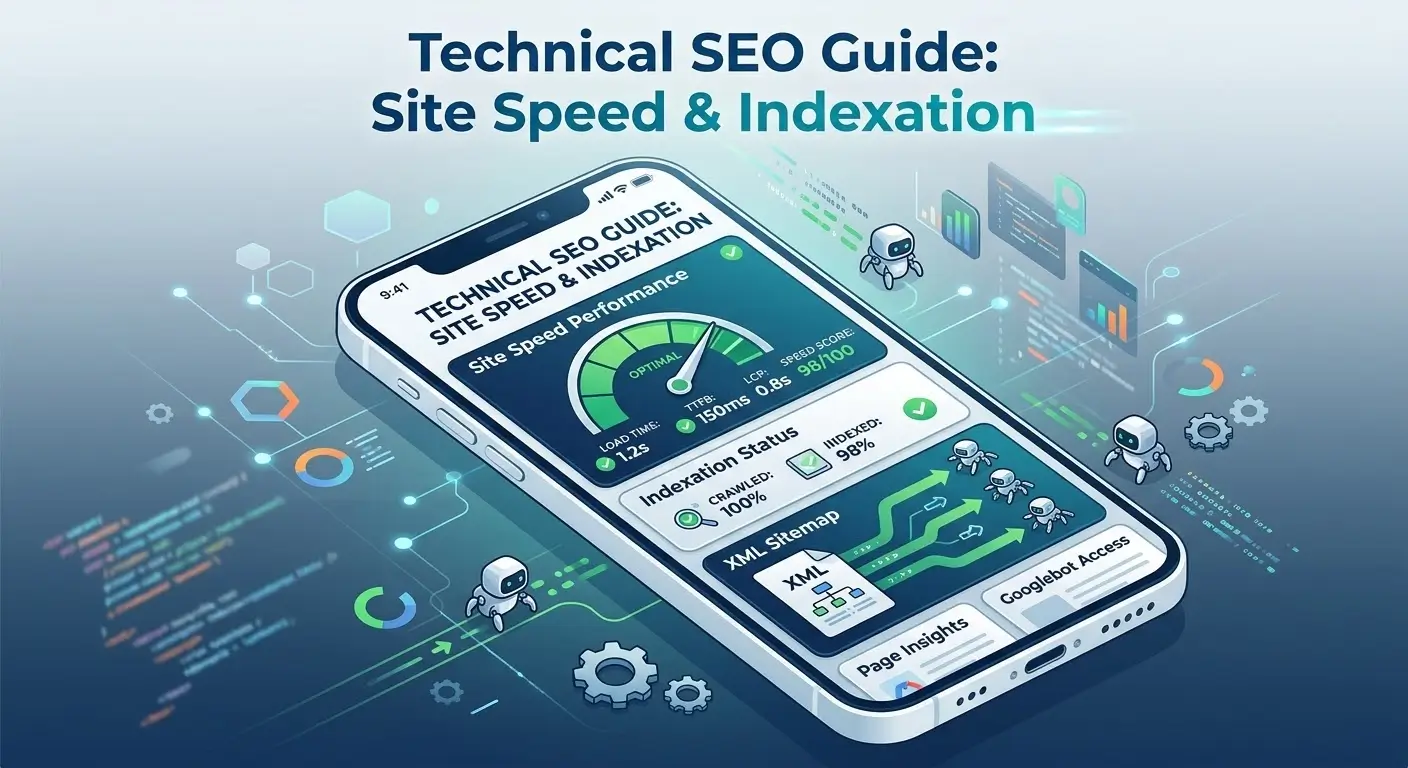
In the evolving world of search engine optimization, publishing high-quality content is only half the battle. If search engine crawlers cannot access, render, or index your pages efficiently, even the most exceptional articles will fail to achieve top search rankings. This is where Technical SEO becomes the backbone of your digital marketing strategy.
Technical SEO focuses on optimizing your website’s underlying infrastructure to help search engines seamlessly crawl, index, and render your site. In this comprehensive guide, we will break down what technical SEO is, why it directly impacts your Google SEO rankings and AdSense approval, and how to optimize key elements like site speed, mobile responsiveness, and indexation.
What is Technical SEO?
Technical SEO refers to website and server optimizations that assist search engine spiders in crawling and indexing your site more effectively. Unlike On-Page SEO—which focuses on content and keywords—or Off-Page SEO—which focuses on backlinks—technical SEO ensures your website meets the technical standards required by modern search engine algorithms.
A technically sound website provides a smooth user experience (UX), loads rapidly across devices, features secure navigation, and maintains a clean code structure free from crawl blocks or indexation errors.
Why Technical SEO Matters for Google AdSense Approval
Google AdSense evaluators and automated review bots look beyond surface-level articles when reviewing applications. Websites with slow loading times, broken redirect chains, or indexation errors are frequently flagged for Low Value Content or poor user experience.
- Enhanced Crawl Efficiency: Proper XML sitemaps and clean canonical tags ensure Googlebots discover and index your monetizable pages without wasting crawl budget.
- Improved User Retention: A fast, mobile-friendly platform keeps bounce rates low, encouraging visitors to stay longer and interact with your content and prospective ad units.
- AdSense Bot Compatibility: Clear URL hierarchies and error-free code allow AdSense review bots to easily verify site safety and compliance.
Core Components of Technical SEO
1. Site Speed & Core Web Vitals
Page speed is a direct Google ranking factor. Users expect websites to render in under two seconds. Google uses Core Web Vitals to evaluate real-world user experience based on three metrics:
- Largest Contentful Paint (LCP): Measures loading performance (aim for under 2.5 seconds).
- Interaction to Next Paint (INP): Measures page responsiveness during user interactions.
- Cumulative Layout Shift (CLS): Measures visual stability to prevent unexpected layout shifts as elements load.
To optimize page speed, compress images using WebP formats, leverage browser caching, minimize CSS/JavaScript files, and utilize a reliable Content Delivery Network (CDN).
2. Indexation & Google Search Console Management
Indexing is the process where Google parses and stores your web pages in its central database. If your content isn’t indexed, it cannot rank or generate ad revenue.
- XML Sitemaps: Maintain an updated XML sitemap and submit it directly via Google Search Console (GSC) to guide Googlebots through your site architecture.
- Robots.txt File: Configure your
robots.txtfile correctly to grant search bots access to high-value pages while blocking irrelevant admin directories. - Canonicalization: Use
rel="canonical"tags to prevent duplicate content issues when similar content is accessible via multiple URLs.
3. Mobile-First Optimization
Google operates under Mobile-First Indexing, meaning it primarily uses the mobile version of your site for crawling, indexing, and ranking. Ensure your web design features responsive layouts, adaptable text sizes, touch-friendly buttons, and unblocked resources across mobile viewports.
4. Website Security (HTTPS & SSL)
Security is a fundamental requirement for both Google search rankings and AdSense compliance. An active SSL certificate secures data transmission via HTTPS. Google flags unencrypted HTTP sites as non-secure, severely harming organic visibility and user trust.
5. URL Architecture & Site Hierarchy
A clean, logical site architecture makes navigation seamless for users and search crawlers alike:
- Keep URL slugs short, readable, and keyword-focused (e.g.,
domain.com/what-is-technical-seo). - Eliminate broken links (404 errors) and avoid unnecessary 301 redirect chains.
- Structure navigation with intuitive parent and child categories.
Technical SEO Checklist for Webmasters
Use this quick checklist to validate your website’s technical health:
- Ensure your domain redirects properly to secure
https://addresses. - Verify that your main sitemap (
sitemap.xml) is submitted and active in Google Search Console. - Fix any indexation errors, soft 404s, or redirect loops reported in GSC.
- Test mobile responsiveness using Google’s Lighthouse or PageSpeed Insights.
- Compress media assets to maintain fast Core Web Vitals scores by optimizing image formats (such as WebP) and leveraging browser caching to reduce page loading times.
- Compress media assets to maintain fast Core Web Vitals scores.
- Optimize Robots.txt and Meta Robots Tags: Ensure your
robots.txtfile is properly configured to allow search engine crawlers access to important pages while blocking administrative or private directories. Additionally, review meta robots tags across your pages to prevent accidental noindex tags on valuable content. - Implement Structured Data Markup (Schema): Add relevant JSON-LD schema markup (such as Organization, Article, LocalBusiness, or BreadcrumbList) to help search engines thoroughly understand your content context, which significantly increases eligibility for rich snippets in search results.
- Resolve Broken Links and Redirect Chains: Regularly audit your website for internal or external broken links (404 errors) and minimize redirect chains. Fixing these issues preserves crawl budget and ensures a seamless navigation experience for both users and search bots.
- Secure Site Architecture and Canonical Tags: Establish a clean URL structure and use self-referencing canonical tags correctly on every page to eliminate duplicate content issues, ensuring search engines index the definitive version of your web pages.
Conclusion
Technical SEO forms the essential foundation upon which all content and digital marketing strategies rely. By fixing crawl errors, maintaining clean indexation in Google Search Console, optimizing page speed, and delivering a flawless mobile experience, you ensure search engines recognize the true value of your platform.
Professionalize Your Technical SEO with MadiGiServices
Identifying technical site errors, resolving Google Search Console redirect issues, and tuning Core Web Vitals for AdSense approval requires specialized technical skill.
At MadiGiServices, we specialize in end-to-end Technical SEO audits, site speed optimization, indexation repair, and digital strategies designed to maximize your site’s search visibility.
Ready to eliminate technical roadblocks, get your pages indexed fast, and prepare your site for AdSense monetization? Contact MadiGiServices today and let our experts elevate your online performance!