Search engine optimization (SEO) is not a set-it-and-forget-it strategy. Publishing great articles is only the first step; understanding how visitors discover, interact with, and navigate your platform is what determines long-term digital success. Without accurate data, you are essentially flying blind, unable to fix underperforming pages or scale what works.
To master your website’s performance, you need the two powerhouse tools provided by Google: Google Search Console (GSC) and Google Analytics (GA4). Whether you are running a personal blog, a growing content platform, or managing client properties through an agency, mastering these tools is essential for securing Google AdSense approval and maximizing organic growth.
Understanding Google Search Console (GSC)
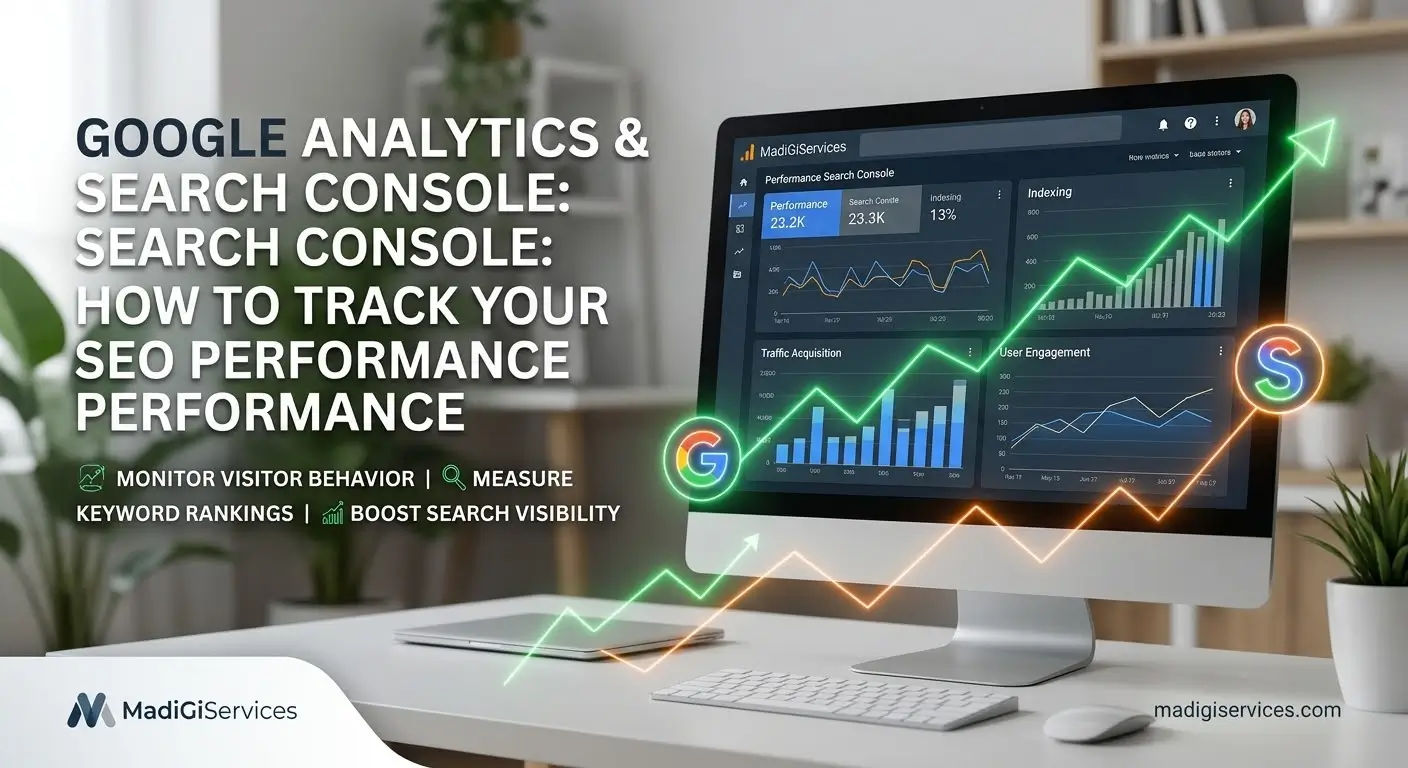
Google Search Console is a free web service that helps you monitor, maintain, and troubleshoot your site’s presence in Google Search results. It focuses primarily on how your website communicates with search engine crawlers and how users find you via search queries.
Key metrics and reports you can track in Search Console include:
- Total Clicks: The number of times users clicked your search result link to visit your website.
- Total Impressions: How many times your website appeared in search results for specific keywords or queries.
- Average Click-Through Rate (CTR): The percentage of impressions that resulted in an actual click (Clicks divided by Impressions).
- Average Position: Your website’s average ranking position for target keywords across search engine result pages (SERPs).
- Indexing and Coverage Reports: Detailed data on which URLs are successfully indexed by Google and which pages are encountering errors.
Understanding Google Analytics 4 (GA4)
While Google Search Console tells you what happens *before* a user arrives on your website, Google Analytics 4 (GA4) tracks everything that happens *after* they land on your pages. GA4 is an event-based tracking platform designed to measure user behavior, engagement, and conversion paths across multiple devices.
Important dimensions and metrics to monitor in GA4 include:
- User Acquisition and Traffic Sources: Discover whether your visitors are arriving via organic search, social media, direct links, or referral channels.
- Engagement Rate and Time: Measure how long users stay on your pages and whether they actively interact with your content.
- Page Views and Popular Content: Identify which specific articles or landing pages generate the most traffic and interest.
- Conversion Tracking: Monitor user actions such as newsletter sign-ups, contact form submissions, or ad interactions.
Why Integrating Both Tools is Vital for AdSense Success
Google AdSense automated reviewers and quality algorithms favor websites that demonstrate clear user intent, low bounce rates, and consistent organic engagement. Relying on only one of these tools gives you a fragmented view of your performance.
By connecting Google Search Console with Google Analytics, you can cross-reference keyword performance with on-site behavior. For instance, you can see if a high-ranking keyword in Search Console is actually resulting in high engagement and low bounce rates in GA4, ensuring your content meets strict quality standards.
Step-by-Step Guide to Setting Up Tracking for Your Website
Setting up your tracking infrastructure correctly ensures accurate data collection from day one. Follow these foundational steps:
- Create and Verify Your GSC Property: Add your website domain or URL prefix property to Google Search Console and verify ownership using an HTML tag, DNS record, or file upload.
- Submit Your XML Sitemap: Navigate to the sitemap section in GSC and submit your XML sitemap URL to help Google crawl and index your pages faster.
- Install the GA4 Tracking Tag: Generate your Google Analytics measurement ID and integrate it into your WordPress header or via a reliable site kit plugin.
- Link Search Console to GA4: Inside your Google Analytics administration settings, link your verified Search Console property to view organic search queries directly alongside user behavior metrics.
Common Tracking Mistakes to Avoid
As you monitor your SEO and analytics performance, steer clear of these frequent errors:
- Ignoring crawl errors and indexing warnings flagged in Search Console.
- Failing to filter out internal traffic, which can artificially inflate your page view metrics.
- Relying solely on vanity metrics like total impressions without analyzing engagement quality or conversion rates.
Setting Up Custom Key Performance Indicators (KPIs) in GA4
Default analytics reporting provides a solid foundation, but to truly understand your Search Engine Optimization ROI, you must track tailored Key Performance Indicators (KPIs) aligned with your business goals. For content publishers and digital service providers, tracking user interactions gives actionable insights into how well your pages satisfy search intent.
Consider configuring the following custom performance metrics within Google Analytics 4:
- Scroll Depth Tracking: Measure how far users scroll down your long-form guides to determine if your introduction engages readers effectively.
- Internal Link Clicks: Track when users click on relevant internal links, indicating strong site navigation and context retention.
- Outbound CTA Clicks: Monitor how frequently visitors click on service booking buttons, contact page links, or affiliate destinations.
- Form Submissions: Set up event conversion tracking whenever a user submits an inquiry or subscribes to your newsletter.
Connecting SEO Metrics to Content Optimization Strategies
Collecting analytics data is meaningful only if you use those insights to refine your content output continuously. By systematically cross-referencing Search Console query performance with GA4 engagement metrics, you can transform raw statistics into actionable ranking improvements.
Here is how to connect performance tracking directly to your publishing strategy:
- Identify Striking-Distance Keywords: Filter Search Console reports for keywords ranking between positions 11 and 20. These are topics where your site is on the verge of page-one visibility and needs minor content depth updates or link building to rank higher.
- Fix High-Impression, Low-CTR Pages: If a URL generates thousands of impressions in search results but receives very few clicks, your meta title or description is unappealing. Rewrite these metadata elements to increase your click-through rate.
- Optimize High-Traffic, Low-Engagement Pages: If Google Analytics reveals that a high-ranking page has an unusually low average engagement time, the content may not fully satisfy the user’s search query. Expand the content depth, add structured headers, and incorporate clear visual elements.
Maintaining Data Accuracy and Privacy Compliance
Modern performance tracking requires strict adherence to privacy standards and technical setup accuracy. Ensure your analytics setup complies with global data regulation frameworks such as GDPR and CCPA by implementing proper cookie consent management banners.
Additionally, regularly check your measurement tags using Google Tag Assistant to verify that events trigger cleanly without duplicate tracking calls. Clean, accurate, and privacy-compliant data collection ensures your analytics reports remain dependable for driving strategic business growth.
Conclusion
Tracking your SEO performance using Google Analytics and Search Console transforms guessing into a data-driven strategy. By regularly auditing your keyword positions, fixing indexing roadblocks, and analyzing user engagement, you build a resilient, high-performing digital platform that satisfies search engines and readers alike.
Supercharge Your Analytics and SEO Strategy with MadiGiServices
Mastering data analytics, configuring advanced tracking properties, and interpreting complex SEO performance metrics can be challenging and time-consuming. It requires technical precision and continuous optimization.
At MadiGiServices, we specialize in comprehensive technical SEO audits, Google Search Console setup, analytics integration, and customized digital solutions designed to elevate your search rankings and secure effortless Google AdSense approval.
Ready to unlock deep insights, eliminate technical blind spots, and scale your online business? Contact MadiGiServices today and let our professionals drive your digital success!