
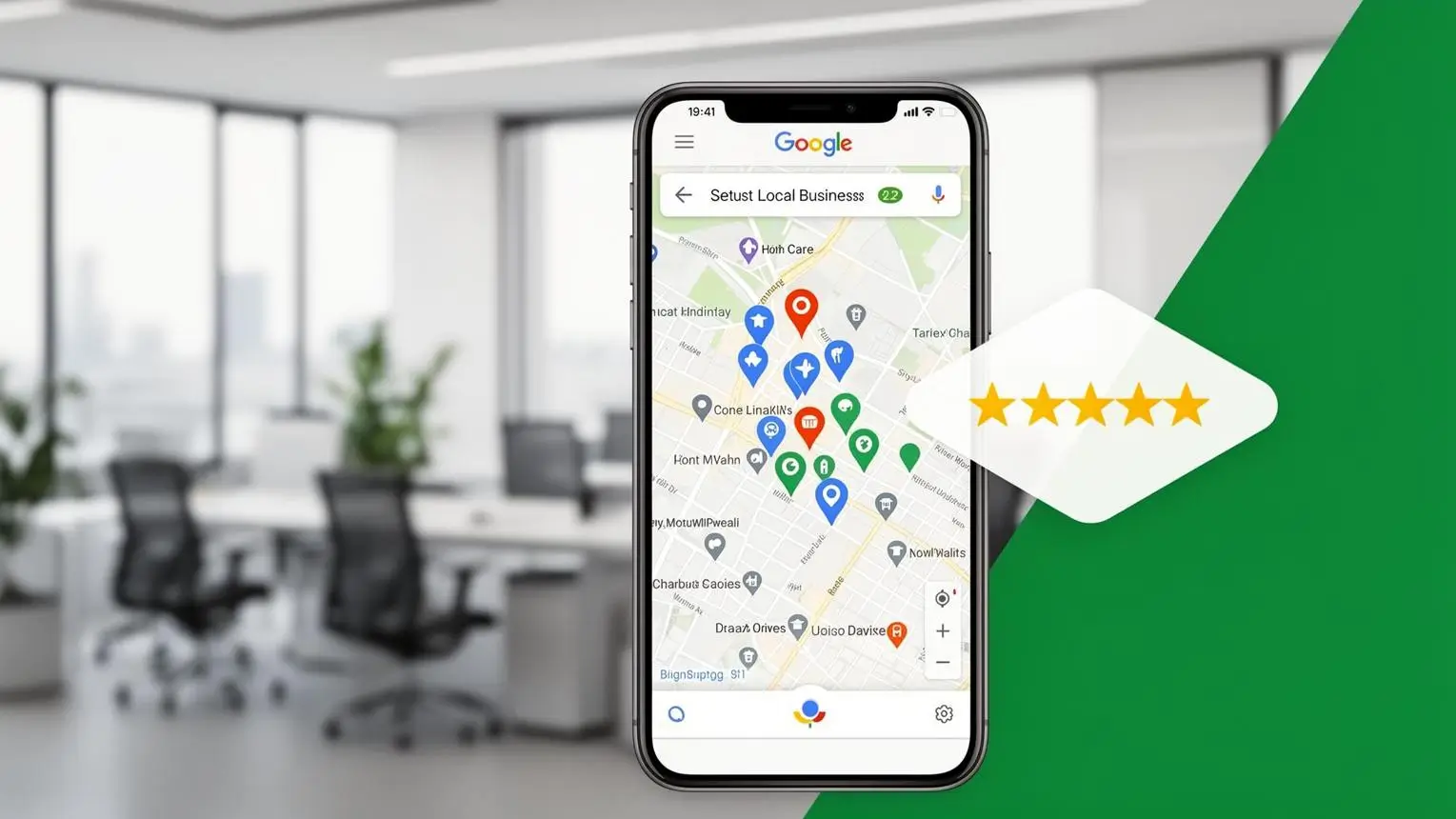
Today, people use smartphones to find products, services, and businesses in their local areas. Whether someone needs a nearby restaurant, a digital marketing agency a repair service, or a professional consultant, the first step is often a search on Google using a mobile phone.
This change in consumer behavior has made Mobile Local SEO an important part of online marketing. Businesses that provide a smooth mobile experience and optimize their websites for local searches have a better opportunity to connect with potential customers.
For small businesses and service providers, mobile optimization is not simply about making a website look attractive on a smartphone. It also involves improving website speed, providing useful local information, making contact details accessible, and helping visitors find the services they need.
In this guide, you will learn what mobile local SEO means, why it matters, and how to optimize your website to improve local search visibility and attract more potential customers.
What Is Mobile Local SEO?
Mobile Local SEO is the process of optimizing a website and its online presence to help people discover local businesses when searching through smartphones and other mobile devices.
It combines two important digital marketing strategies:
- Mobile SEO: Improving a website’s performance, design, speed, and usability on mobile devices.
- Local SEO: Helping a business appear in relevant location-based searches, such as searches for services near a particular city or neighborhood.
For example, imagine someone in Lahore searching for a digital marketing agency. They might search for phrases such as “digital marketing agency in Lahore” or “SEO services near me.”
A business with accurate contact information, relevant local content, a well-optimized website, and a complete Google Business Profile may have a better opportunity to appear in relevant search results.
Mobile Local SEO helps businesses connect their online presence with customers who are actively looking for nearby products and services.
Why Is Mobile Local SEO Important for Businesses?
Smartphones have become an important tool for finding local information. People use them to compare businesses, check opening hours, read reviews, view directions, and contact service providers.
If your website is difficult to use on a smartphone, visitors may leave before discovering what your business offers.
Here are some important reasons why mobile local SEO deserves attention.
1. Reach Customers Searching for Nearby Services
Location-based searches help people find businesses that are relevant to their current location or a location they specify.
For example, someone might search for:
- Best web design services in Lahore
- SEO expert near me
- Digital marketing agency in Pakistan
- Website development services nearby
Creating Helpful Page for the actual locations and services your business serves can make your website more relevant to these searches.
2. Make It Easier for Customers to Contact You
Mobile visitors often want quick answers rather than spending time searching through multiple pages.
Your website should make important business information easy to find, including:
- Business name
- Phone number
- Business address, if applicable
- Services and pricing information
- Email address
- Business hours, where relevant
Adding a clickable phone number and a clear contact button can make it easier for smartphone users to reach your business.
3. Improve the Mobile User Experience
A mobile-friendly website allows visitors to read information, navigate menus, and interact with buttons without unnecessary effort.
When visitors can easily understand your services and find useful information, they can make more informed decisions about contacting your business.
4. Build Trust With Potential Customers
People often compare several businesses before choosing one. A professional website with accurate information, helpful content, and clear contact details can create a more trustworthy impression.
Consistent business information across your website and relevant online listings also helps customers identify your business correctly.
How Google’s Mobile-First Indexing Works
Google uses the mobile version of a website’s content for indexing and ranking. This approach is known as mobile-first indexing.
It means that Google primarily uses the content available on the mobile version of your website when understanding your pages and deciding how they may appear in search results.
For website owners, this makes mobile optimization an important technical consideration.
Follow these practices:
- Make sure your important content is available on mobile devices.
- Use clear and meaningful headings.
- Keep your page titles and meta descriptions accurate.
- Allow Google to access important website resources.
- Use descriptive image alt text.
- Ensure that mobile and desktop versions provide equivalent main content.
A responsive website is generally a practical solution because it uses the same website URL and adjusts its layout according to the visitor’s screen size.
7 Effective Strategies to Improve Mobile Local SEO
1. Use a Responsive Website Design
A responsive website automatically adjusts its layout to different screen sizes, including smartphones, tablets, and desktop computers.
For example, a desktop website might display three service cards in one row. On a smartphone, those same cards can appear vertically so visitors can read them comfortably.
When designing a responsive website, pay attention to:
- Flexible page layouts
- Readable font sizes
- Mobile-friendly navigation menus
- Properly sized images
- Buttons that are easy to tap
- Forms that work correctly on small screens
If you use WordPress, choose a responsive theme and test your website using different screen sizes.
2. Improve Mobile Website Loading Speed
Website speed is an important part of the user experience. A slow website can frustrate visitors, especially when they are using mobile data connections.
You can improve loading performance by following these steps:
- Compress large images before uploading them.
- Use modern image formats such as WebP where supported.
- Remove unnecessary plugins and scripts.
- Use browser caching.
- Choose reliable website hosting.
- Reduce unnecessary redirects.
- Optimize CSS and JavaScript where appropriate.
You can test your website using Google PageSpeed Insights to identify performance problems and receive suggestions for improvement.
Pay attention to the mobile performance report because mobile visitors may experience different loading conditions from desktop users.
3. Optimize Your Google Business Profile
A Google Business Profile is an important tool for eligible businesses that serve customers in person or visit customers at their locations.
A complete and accurate profile can help customers discover your business through Google Search and Google Maps.
To improve your profile:
- Use your real business name.
- Select the most relevant business category.
- Add accurate contact information.
- Provide correct business hours.
- Describe your products and services clearly.
- Add genuine photographs of your business.
- Respond professionally to customer reviews.
Keep your business information updated whenever your contact details, working hours, or services change.
4. Use Local Keywords Naturally
Local keywords help search engines understand which services your business provides and which locations are relevant to your website.
For example, a web design company serving Lahore might use relevant phrases such as:
- Website design services in Lahore
- WordPress website development
- Local SEO services in Pakistan
- Digital marketing solutions for small businesses
Include relevant keywords naturally in your page titles, headings, service descriptions, and useful blog content.
Avoid repeating the same keyword unnecessarily. Your content should sound natural and provide useful information to readers rather than being written only for search engines.
5. Make Your Contact Information Mobile-Friendly
Customers should not have to search through several pages to find your contact information.
Place important contact details in visible areas of your website, such as the header, footer, or contact page.
Consider adding:
- A clickable phone number.
- A professional business email address.
- A contact form with only necessary fields.
- A location map when your business has a customer-facing location.
- A clear call-to-action button.
For example, a button labelled “Contact Our Team” can direct visitors to your contact page.
Make sure that every contact method works correctly on smartphones.
6. Create Useful Local Content
Publishing helpful content is another way to develop your website’s relevance and authority in your industry.
Instead of publishing generic articles, focus on answering questions that your potential customers actually ask.
For example, a digital marketing business could publish articles about:
- How small businesses can improve their online presence.
- Why local SEO matters for service providers.
- How to create a professional business website.
- Common WordPress website optimization mistakes.
- How businesses can use Google Business Profile.
You can also create location-specific content when you genuinely provide services in those areas.
Every article should offer useful explanations, practical examples, and original insights. Avoid creating multiple pages that repeat almost identical information with only the city name changed.
7. Improve Mobile Navigation and User Experience
A well-organized website helps visitors find information without confusion.
Use a simple navigation structure and make sure that important pages are easy to access.
For a business website, useful navigation links may include:
- Home
- About Us
- Services
- Blog
- Contact Us
Also consider these mobile usability improvements:
- Use readable text with sufficient contrast.
- Keep enough spacing between buttons and links.
- Avoid unnecessary pop-ups.
- Make forms simple and easy to complete.
- Ensure that menus open and close correctly.
- Keep important information easy to find.
A good mobile experience should make it easy for visitors to understand your business and complete their intended actions.
Common Mobile Local SEO Mistakes to Avoid
Even a website with useful content can struggle to provide a good experience if important optimization problems are ignored.
Here are some common mistakes to avoid:
1. Ignoring Mobile Users
A website that works well on desktop computers may still have navigation, layout, or readability problems on smartphones. Always test your pages on mobile devices.
2. Using Too Many Large Images
Unoptimized images can increase page size and affect loading performance. Resize and compress images before uploading them.
3. Adding Unnecessary Keywords
Repeating location names and keywords excessively does not create useful content. Write naturally and focus on the searcher’s actual needs.
4. Providing Incorrect Business Information
Outdated phone numbers, incorrect addresses, and inconsistent business details can confuse potential customers. Review your business information regularly.
5. Ignoring Website Testing
Publishing a page does not mean that every element works perfectly. Test your buttons, contact forms, menus, images, and links on different devices.
Useful Free Tools for Mobile Local SEO
Several online tools can help website owners understand performance and identify optimization opportunities.
- Google PageSpeed Insights: Helps evaluate website performance and identify loading issues.
- Google Search Console: Provides information about website indexing, search performance, and technical issues.
- Google Business Profile: Helps eligible local businesses manage their presence on Google Search and Maps.
- Google Analytics: Helps understand website traffic and visitor behavior when correctly configured.
Using these tools regularly can help you make informed improvements instead of relying on guesswork.
Practical Mobile Local SEO Example for a Small Business
Consider a small digital marketing agency that provides SEO and website development services in Lahore, Pakistan.
The agency wants more potential customers to discover its services through Google.
It can follow this simple optimization plan:
- Create a responsive website that works properly on smartphones.
- Publish detailed service pages explaining SEO and website development.
- Use relevant location-based keywords naturally.
- Provide accurate contact details and clear service information.
- Set up a Google Business Profile if eligible.
- Publish helpful articles about digital marketing and website management.
- Monitor website performance through Google Search Console and PageSpeed Insights.
These steps can help the agency build a stronger online presence and improve its chances of reaching relevant local customers.
However, search rankings depend on several factors, including competition, relevance, website quality, and the user’s search context. No SEO technique can guarantee a particular ranking or a specific number of customers.
How to Measure Your Mobile Local SEO Performance
SEO improvements should be measured over time. Instead of judging success only by website traffic, review several useful performance indicators.
- Mobile Performance: Check mobile loading speed and Core Web Vitals.
- Organic Search Traffic: Review how many visitors reach your website through search engines.
- Search Queries: Identify which keywords bring visitors to your pages.
- Website Engagement: Understand how visitors interact with your content.
- Business Inquiries: Track genuine calls, emails, and contact form submissions.
- Local Visibility: Review relevant Google Business Profile performance data if available.
Use this information to identify areas that need improvement and update your website accordingly.
Frequently Asked Questions (FAQs)
1. What is Mobile Local SEO?
Mobile Local SEO is the process of improving a website’s mobile experience and local search presence so that people can discover relevant businesses when searching through smartphones.
2. Why is mobile optimization important for local businesses?
Mobile optimization makes websites easier to use on smartphones. It helps visitors access business information, explore services, and contact companies without unnecessary difficulty.
3. Does mobile-friendly design improve Google rankings?
Google uses the mobile version of website content for indexing and ranking. A responsive, accessible website helps provide a better experience and supports effective search engine optimization.
4. What is the best tool for checking mobile website speed?
Google PageSpeed Insights is a useful free tool for checking website performance. It provides separate reports for mobile and desktop experiences.
5. Is Google Business Profile important for local SEO?
Yes. Google Business Profile helps eligible businesses manage how their information appears on Google Search and Google Maps. Accurate business details can help customers find and contact them.
6. Can a small business benefit from Mobile Local SEO?
Yes. Small businesses can use mobile optimization, relevant local content, accurate business information, and a helpful online presence to reach potential customers in their service areas.
7. How long does local SEO take to show results?
There is no fixed timeline for SEO results. Progress depends on competition, website condition, content quality, business relevance, and the consistency of optimization efforts.
Conclusion
Mobile Local SEO is an important part of building a successful online presence for modern businesses. As more people use smartphones to search for local products and services, businesses need websites that are fast, responsive, easy to navigate, and filled with useful information.
By improving mobile website performance, optimizing local business information, using relevant keywords, publishing helpful content, and monitoring search performance, businesses can create a stronger foundation for long-term online growth.
Remember that successful SEO is not about using shortcuts or repeating keywords. It is about understanding your audience, providing genuine value, and making it easy for people to find the information they need.
Start with small improvements, monitor your results, and continue making your website better for both visitors and search engines.
At MadigiServices we believe that a useful website and a well-planned digital marketing strategy can help businesses build a stronger online presence.
Pingback: How to Get More Customers Through Local SEO (2026 Guide)